A food allergy is caused by your immune system overreacting to certain foods. It's often mild, but can be very serious for some people.
It's not clear why this happens, but certain foods are more likely to cause an allergic reaction in some people. But you can be allergic to any type of food
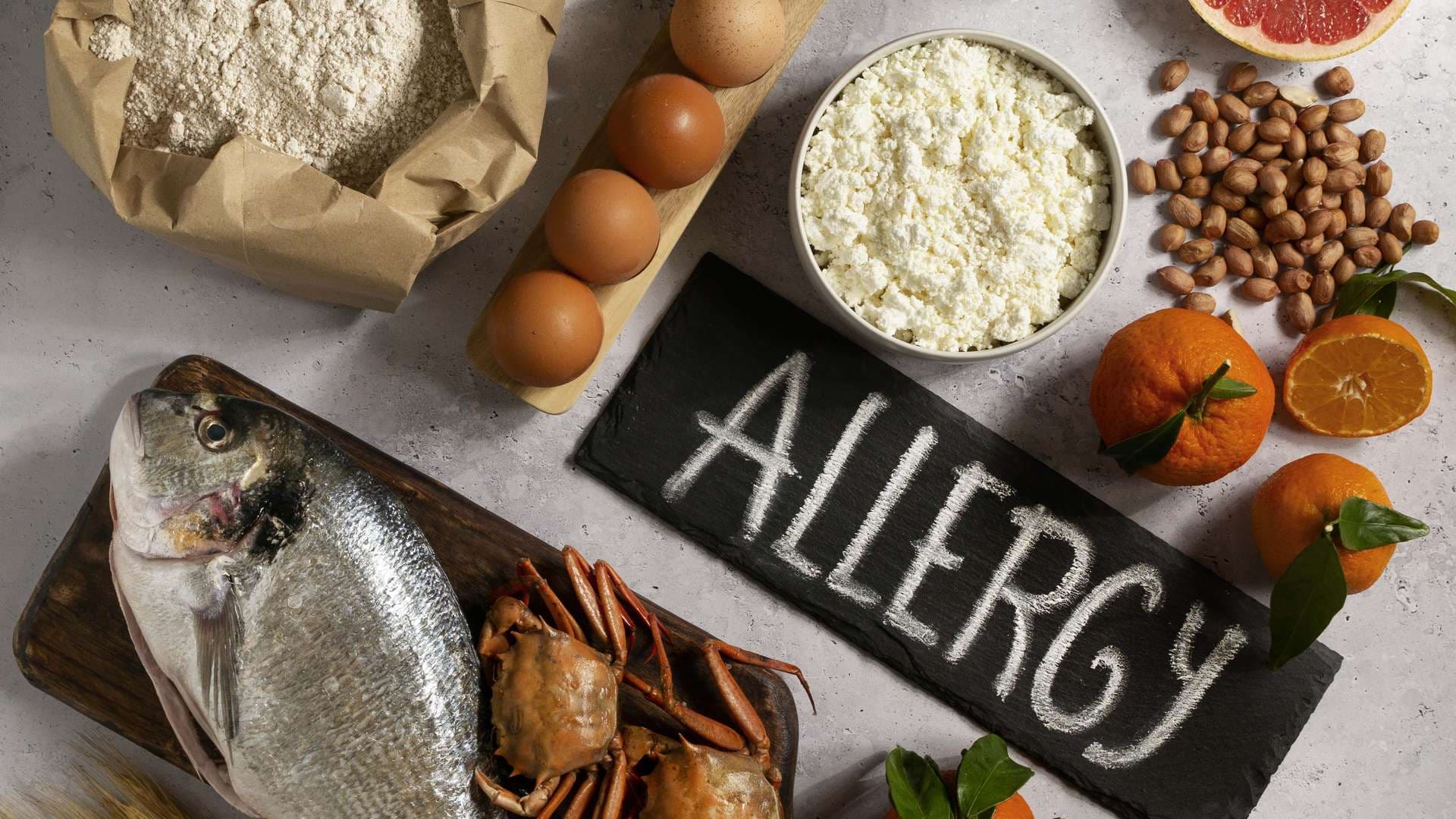
The most common allergic foods include:
- cows' milk
- eggs
- peanuts, soybeans, peas and chickpeas
- tree nuts, such as walnuts, almonds, hazelnuts, pecans, cashews, pistachios and Brazil nuts
- shellfish, such as prawns, crab and lobster
- wheat
Symptoms of a food allergy can affect any part of the body, including different parts of the body at the same time.
Common symptoms of a food allergy include:
- feeling dizzy or lightheaded
- itchy skin or a raised rash (hives)
- swelling of the lips, face and eyes (angioedema)
- coughing, wheezing, breathlessness, noisy breathing or a hoarse voice
- sneezing or an itchy, runny or blocked nose
- feeling sick or being sick
- tummy pain
- diarrhoea
You may get symptoms straight after eating the food you're allergic to, or days later. You have a slightly higher chance of getting a food allergy if you or a close family member have other allergies, asthma or eczema.
Things you can do if you have a food allergy
Do
- check food labels and restaurant menus carefully to make sure they do not contain the food you're allergic to
- tell friends, family, nursery, school and work about your allergy
- carry 2 adrenaline auto-injectors with you at all times, if you need them
- tell staff at restaurants and cafés about your allergy
- tell airlines and cabin staff about your allergy before you fly
- wipe down surfaces in public before eating
Don’t
- do not eat foods without checking what ingredients are in them first
- do not cut foods out of your diet without speaking to a GP
Children with a peanut allergy may have immunotherapy to help their bodies become less sensitive to peanuts, but they should still avoid eating peanuts.