

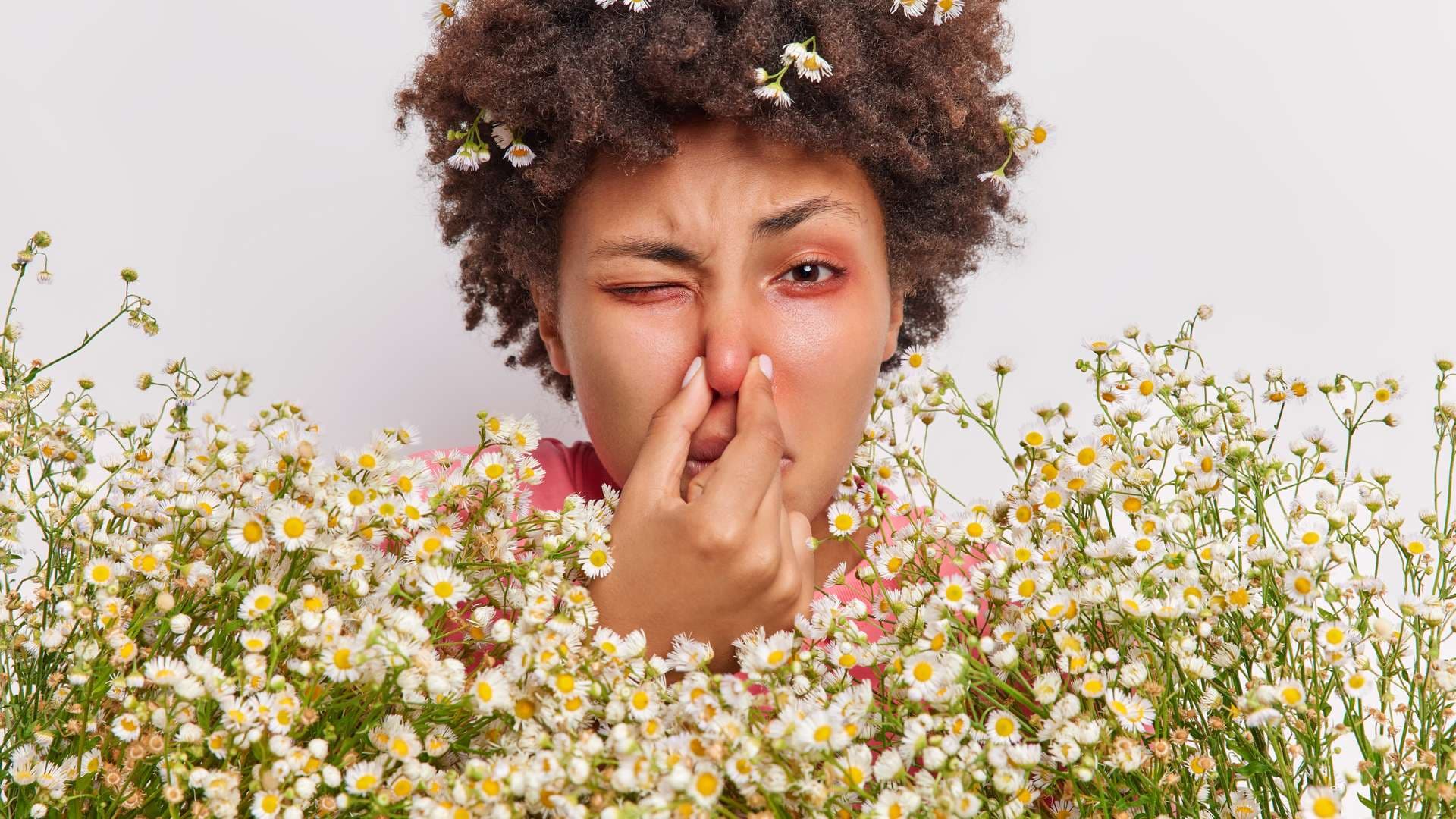
An allergy is where your body reacts to something that's normally harmless like pollen, dust or animal fur. The symptoms can be mild, but for some people they can be very serious.
Common allergens include:
- tree and grass pollen (hay fever)
- house dust mites
- foods, such as peanuts, milk and eggs (food allergy)
- animals, particularly pets like cats and dogs
- insect stings, such as bee and wasp stings
- certain medicine
Symptoms of an allergic reaction can include:
- a runny nose or sneezing
- pain or tenderness around your cheeks, eyes or forehead
- coughing, wheezing or breathlessness
- itchy skin or a raised rash (hives)
- diarrhoea
- feeling or being sick
- swollen eyes, lips, mouth or throat
Treatments for allergies include:
- Try to avoid the thing you're allergic to whenever possible
- For mild allergic reactions, use medicines like; antihistamines, steroid tablets and steroid creams
- For severe allergic reactions, use emergency medicines called adrenaline auto-injectors, such as an EpiPen
- Desensitisation (immunotherapy) for severe allergic reactions – this involves carefully exposing you to the thing you're allergic to over time, so your body gradually gets used to it and does not react so badly (this should only be done by a medical professional)
- Your specialist should give you an allergy management plan that will explain how to manage your allergy.